
Most businesses are still handling sales and marketing the same way they did five years ago. Manual follow-ups. Missed calls. Slow email responses. Limited availability outside office hours.
Meanwhile, customer expectations have changed. People expect instant answers, fast booking, and consistent communication.
If your business cannot respond quickly, they move on. In competitive markets, speed and systemization are no longer advantages. They are requirements.
The gap between businesses that implement AI systems and those that wait is widening. Early adopters are building smarter workflows, improving response time, and creating systems that convert consistently.

Understanding this shift is important. Acting on it is what creates the edge.
Why Business Owners Need to Understand AI in Sales and Marketing Right Now
If you run a business, you’ve probably felt it already. Leads come in at random times. Calls get missed. Follow-ups get delayed. Marketing feels busy, but not always efficient.
At the same time, customers expect faster answers than ever. They search differently, ask longer questions, and often choose the business that responds first.
This is where AI and automation in sales and marketing start to matter. Not as a trend. Not as a buzzword. But as a practical system that helps you respond instantly, book appointments automatically, and stay consistent with follow-ups without adding more work to your plate.
Businesses that implement these systems early tend to gain an edge. They reduce response time, organize their workflows, and create smoother experiences for prospects. Over time, that advantage compounds.
Waiting does not keep things neutral. It simply gives competitors more time to build better systems.
Understanding how AI fits into your sales and marketing process is the first step. Using it strategically is what separates businesses that struggle to keep up from those that lead.
What Does AI and Automation in Sales and Marketing Actually Mean?
Traditional automation follows rules.
If someone fills out a form, they get an email.
If they book a call, they receive a confirmation.
It saves time, but it does not adapt.
AI-driven automation adds intelligence.
Instead of sending the same response every time, AI systems interpret intent. They respond based on behavior, prioritize stronger leads, and automatically personalize communication.
In sales and marketing, that means:
- Faster responses
- Smarter follow-ups
- Better lead qualification
- Less manual work
Automation handles repetitive tasks. AI makes those tasks smarter and more effective.
And this applies across the entire customer journey. From first inquiry to booking to follow-up, AI and automation reduce friction and increase consistency.
The Language Models Powering Modern AI Tools
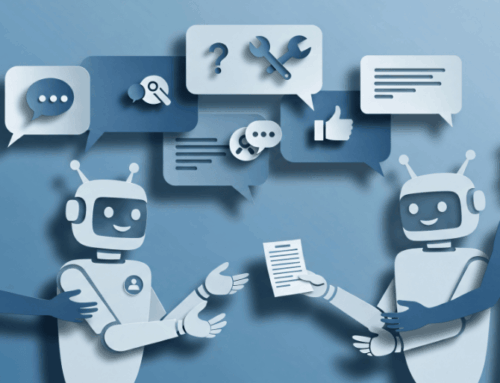
Modern AI tools rely on large language models, or LLMs. These models allow chat systems and automated tools to understand natural language.
OpenAI models power conversational chat systems. Other advanced models support voice automation and messaging tools.
That is why AI chat can respond intelligently rather than showing scripted replies.
For businesses, this means automation feels natural and human, even when it runs in the background.
For local businesses, this matters because these same AI systems shape:
- How customers find you
- How your content is interpreted
- How automated conversations feel
You do not need to build these models.
But you do need to implement them correctly if you want AI and automation in sales and marketing to give you a real advantage.
Real Examples of AI and Automation That Are Working for Local Businesses
Here is what this looks like in practice.
AI Chat That Answers Questions and Books Appointments Automatically
Website AI chat responds instantly, answers common questions, qualifies leads, and books appointments 24/7. No waiting. No missed inquiries.
AI Receptionist That Answers Calls and Schedules Appointments
An AI receptionist handles incoming calls, routes them properly, schedules bookings, and captures missed-call opportunities without adding staff.
This prevents missed calls from becoming missed opportunities.
Smart Email Automations That Hold You Top of Mind
Automated birthday messages, holiday check-ins, monthly follow-ups, and re-engagement campaigns keep prospects and customers consistently connected to your brand.
Automated Online Review Requests and Responses
Review reminders are sent automatically after service, and AI-assisted responses maintain professionalism and consistency, strengthening your online reputation and customer trust.
When these systems work together, your sales and marketing no longer rely on manual effort. They operate continuously and intelligently in the background.
Technical Foundations Required to Implement AI and Automation Correctly
AI tools only work as well as their setup.
Behind the scenes, proper implementation requires:
When these pieces are aligned, automation runs smoothly.
When they are not, leads get lost. AI implementation is not plug-and-play. It requires technical precision.
Why Most Businesses Struggle to Implement AI Effectively
The problem is not access to AI tools. It is structure.
Many businesses add multiple platforms without connecting them properly. Chat runs on one system. Email on another. Reviews on another. Nothing is unified.
Without clean integration, automation becomes messy. Leads fall through gaps. Follow-ups trigger incorrectly. Data gets fragmented.
Avoiding these mistakes starts with setting clear goals, building realistic workflows, and regularly reviewing how automation performs in real situations.
The difference is not the tools.
It is how they are designed, connected, and managed. That gap is where most businesses struggle.
The Opportunity Window Is Still Open (But It Won’t Stay That Way)
Right now, most small and local businesses are still behind when it comes to using AI and automation strategically. Some are experimenting. Many are not using it at all. Very few have fully connected systems that work together.
That creates a window of opportunity.
Businesses that implement AI correctly today gain a measurable head start. They respond faster, nurture leads more consistently, and operate more efficiently. Over time, that advantage compounds. More data improves workflows. Better workflows increase conversions. Higher engagement strengthens visibility.
But this gap will not stay open.
As more competitors adopt AI-driven systems, the advantage shifts from early adoption to basic survival. What feels advanced today will soon become expected.
In local markets especially, first movers build authority faster. They capture attention earlier. They shape customer expectations.
The businesses that act now position themselves ahead of the curve.
The ones that wait will have to catch up.
Need Help Implementing AI and Automation in Your Sales and Marketing?
Understanding the opportunity is one thing. Building the system correctly is another.
RB Web Development helps small and local businesses implement AI and automation in a way that is structured, connected, and built for growth.
That includes:
Everything is designed to work together as one system, not a collection of disconnected tools.
The goal is simple. Help your business respond faster, operate smarter, and compete at a higher level without adding excessive complexity.
Need help implementing AI? Contact RB Web Development today and get ahead while the opportunity is still wide open

About the Author
RB Web Development, originally based in Norwalk, IA, made the move to Decorah in 2025. Founded in 2008 by Rob Batzler, the agency reflects Rob’s web design journey, which began in 2000. After honing his expertise at renowned Des Moines firms, Rob launched this trusted agency to deliver expert web design solutions. His dedication and deep industry knowledge make RB Web Development a top choice for businesses.